
JimmyB
Now retired - trains and fishing

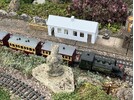
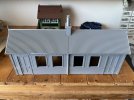
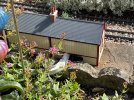
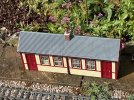
This thread is about my build of the Kippo Wooden Station:
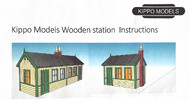
The kit came in a stiff cardboard box, well padded and with the smaller items in sealed bags. My first task (as should everybody buying a kit) is to check the parts list, which did find a couple of items missing, however, a short email to Kippo, and without hassle, a couple of days later the part arrived.
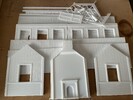
The kit is 3D printed, unlike the previous kits I have had from them which were resin, though, I was fooled by the "flashing" which I thought unusual fro 3D printing.
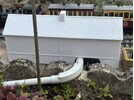
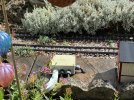
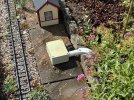
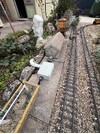
This kit is primarily to cover, and provide extra weather protection and aesthetics for the junction box on my station, mentioned in previous threads:
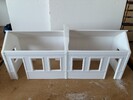
So the first assembly task is to provide a cut-out for the inlet and outlet cables, easier to do whilst still a flat panel:
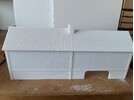
Although "plastic", and a test on a small area confirms that "Plastic Weld" will melt the panels, I decided to do with cyanoacrylate (super glue) as recommended in the instructions.
The kit came in a stiff cardboard box, well padded and with the smaller items in sealed bags. My first task (as should everybody buying a kit) is to check the parts list, which did find a couple of items missing, however, a short email to Kippo, and without hassle, a couple of days later the part arrived.
The kit is 3D printed, unlike the previous kits I have had from them which were resin, though, I was fooled by the "flashing" which I thought unusual fro 3D printing.
This kit is primarily to cover, and provide extra weather protection and aesthetics for the junction box on my station, mentioned in previous threads:
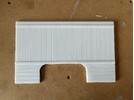
So the first assembly task is to provide a cut-out for the inlet and outlet cables, easier to do whilst still a flat panel:
Although "plastic", and a test on a small area confirms that "Plastic Weld" will melt the panels, I decided to do with cyanoacrylate (super glue) as recommended in the instructions.