I am very pleased it has passed to a museum.
I hope they get the layout restored so we can see the collection running every now and then.
What I found amazing was the scope of the collection and the fact that this was effectively a secret. I would be happy with any one of those brass locos in my collection and here there are literally hundreds......
Just a point of note on an issue which is near to my recent endeavours, I am curious to see that optical sensors have been used for the detection systems. More reliable? I imagine a head on between two 15k (maybe one off) brass models is something that must be avoided at all costs......
I spoke to a guide at the museum at Christmas time and he told me that it is going take about 5-10 years just to catalogue all the components and that is with 3 people working on it and they will never be able to display all of it.
Thread diversion
If you get a chance to visit the museum it is well worth the time and entry fee.
If took the tour of the various shed then that was gold especially riding the traverser that was originally used to move carriages between the various shops (carriage,wheel etc).
Queensland Rail (a partner in the museum) still employ blacksmiths and apprentices at the site. They make and repair QR fettler's picks and hammers using a coal fired forge and a stem drop hammer that dates from the 1800s.
SWMBOs father worked at the workshops till the mid 1950s when he retired due to illness, she can still remember parts of it and one thing that sticks in her mind is the rush of pushbike riders at knock off time.
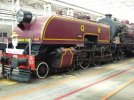
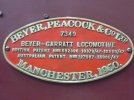
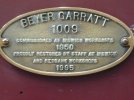
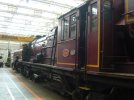
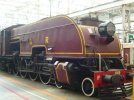
Their collection of locos is fantastic especially the Beyer Garrett.
I have pictures if anybody is interested.
Now back your regularly scheduled thread.